

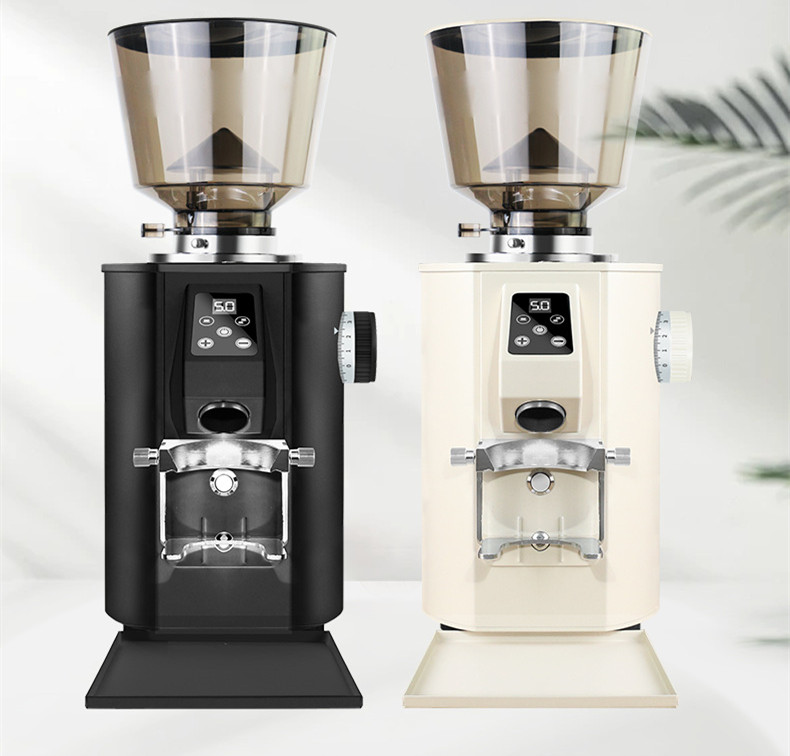
Home Coffee Roasters: Precision, Flavor Control, and User Experience
For coffee enthusiasts seeking freshness and customization, home coffee roasters offer a gateway to unlocking nuanced flavors. Unlike pre-roasted beans, these machines empower users to adjust roast levels, experiment with origins, and experience coffee at its peak. Below, we explore the key features that define home roasting equipment.
Thermal Management and Roasting Methods
Home roasters utilize distinct heating systems to influence flavor development.
- Direct-Fire Roasters: These models employ open flames or electric coils to heat a rotating drum. The intense heat allows for rapid roasting, ideal for dark profiles like French or Italian roasts. However, they demand constant monitoring to avoid uneven browning or scorching.
- Hot Air (Fluid Bed) Roasters: By suspending beans in a stream of hot air, these machines ensure even heat distribution. They excel at light to medium roasts, preserving acidity and floral notes. Beginners often prefer them for their forgiving nature and reduced risk of over-roasting.
- Hybrid Roasters: Combining conduction (drum contact) and convection (hot air), hybrid models balance complexity and consistency. They adapt well to various roast levels, making them versatile for both single-origin beans and blends.
The choice of method impacts flavor clarity, body, and roast uniformity. Direct-fire systems may highlight smoky undertones, while hot air roasters emphasize brightness. Hybrid designs offer a middle ground, suitable for those seeking flexibility.
Capacity and Efficiency for Home Use
Home roasters are designed to balance batch size with practicality.
- Small-Batch Roasters (50–200g): Perfect for individuals or couples, these compact machines fit easily on countertops. They allow frequent experimentation without excess waste.
- Medium-Batch Roasters (200–500g): Catering to small households or enthusiasts who roast weekly, these models balance efficiency and flavor development. They accommodate larger quantities while maintaining precision.
- Batch Consistency: Advanced models feature sensors to monitor bean temperature and color, adjusting heat or airflow in real time. This ensures each batch mirrors the intended profile, whether aiming for a citrusy light roast or a caramelized medium.
Roasting time varies by method: hot air roasters typically complete a cycle in 8–15 minutes, while direct-fire models may take 12–20 minutes. Hybrid systems often strike a balance, offering speed without sacrificing control.
Smart Features and Ease of Use
Modern home roasters integrate technology to simplify the process.
- Programmable Profiles: Users can save custom roast curves, replicating favorite profiles with precision. Some models offer pre-set programs for popular styles (e.g., espresso, filter).
- Real-Time Monitoring: Built-in sensors track bean temperature, development time, and first crack/second crack stages. Data is displayed via apps or LCD screens, allowing adjustments mid-roast.
- Cooling Systems: Rapid cooling is critical to halt roasting progression. Integrated cooling trays or fans reduce bean temperature quickly, preventing over-development.
- Maintenance and Cleaning: Roasters with removable drums, chaff collectors, and dishwasher-safe parts simplify post-roast cleanup. Dust and chaff management systems minimize mess, a boon for indoor use.
For novices, intuitive interfaces and guided roasting modes reduce the learning curve. Advanced users appreciate manual overrides to fine-tune variables like airflow or drum speed.
Safety and Environmental Considerations
Home roasting requires attention to ventilation and material safety.
- Smoke Management: Roasting generates smoke, especially during darker roasts. Models with built-in ventilation or compatibility with external hoods mitigate indoor air quality issues.
- Material Durability: Stainless steel drums and heat-resistant exteriors ensure longevity. Non-stick coatings on drums prevent bean sticking and simplify cleaning.
- Noise Levels: Direct-fire roasters tend to be louder due to drum rotation and fan noise. Hot air models operate more quietly, appealing to noise-sensitive environments.
Safety certifications and automatic shutoff features protect against overheating or malfunctions, providing peace of mind during unattended roasts.
The Roasting Process: From Green to Golden
Mastering home roasting involves understanding key stages:
- Drying Phase: Heat removes moisture from green beans, preparing them for browning.
- Maillard Reaction: Sugars and amino acids react, creating complex flavors and aromas.
- Development Phase: The roast deepens, with first crack (light roast) and second crack (dark roast) marking critical transitions.
- Cooling: Beans must cool rapidly to stabilize flavor and prevent residual roasting.
Each stage demands attention to temperature and timing. Home roasters with programmable controls automate this process, while manual models require hands-on adjustment.
Customization and Experimentation
Home roasters thrive on creativity. Users can:
- Adjust Roast Levels: Tailor profiles to highlight acidity, sweetness, or bitterness.
- Blend Beans: Combine origins to create unique flavor profiles.
- Track Results: Logging roast data (time, temperature, bean type) helps refine techniques over time.
This level of control fosters a deeper connection to coffee, transforming it from a daily ritual into a craft.