

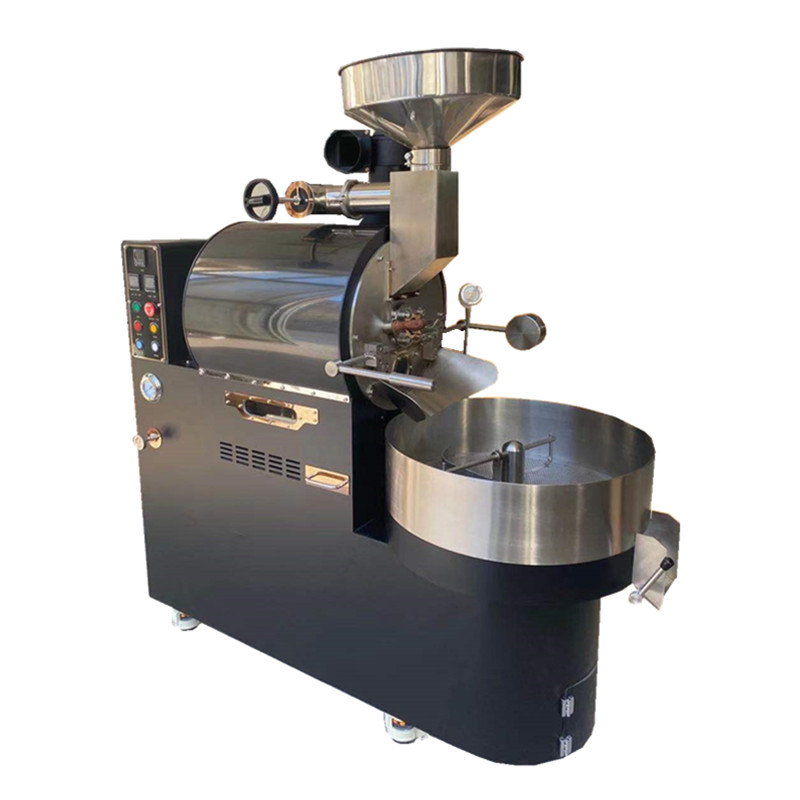
Valuable Experience Sharing for Coffee Roasting Machine Enthusiasts
Coffee roasting is a captivating blend of science and art, and mastering the use of a coffee roasting machine takes time, practice, and a wealth of experience. Here, we’ll delve into some key insights that can elevate your coffee – roasting game.
Pre – Roasting Preparation: Setting the Stage for Success
Bean Selection and Inspection
The quality of the coffee beans you start with is fundamental to the final product. Before even firing up the roasting machine, take the time to carefully select your beans. Look for beans that are uniform in size and shape, as this helps ensure even roasting. Inspect them for any signs of damage, such as cracks or insect holes, which can affect the flavor and consistency of the roast.
Also, consider the origin of the beans. Different regions produce beans with distinct flavor profiles. For example, beans from Central America might have bright acidity and fruity notes, while those from Africa could offer floral and citrusy flavors. Understanding these characteristics can guide your roasting approach to bring out the best in each batch.
Machine Calibration and Warm – Up
A well – calibrated roasting machine is essential for achieving consistent results. Check the temperature sensors to make sure they are providing accurate readings. Incorrect temperature readings can lead to under – roasted or over – roasted beans.
Before starting the actual roast, allow the machine to warm up properly. This helps create a stable thermal environment inside the roasting chamber. The warm – up time can vary depending on the type and size of the machine, but generally, it’s a good idea to let it reach the desired starting temperature for at least 10 – 15 minutes. This step ensures that the beans are exposed to a consistent heat source from the very beginning of the roasting process.
Pre – Roast Planning
Have a clear plan in mind before you start roasting. Decide on the roast level you want to achieve, whether it’s a light, medium, or dark roast. Each roast level has its own unique flavor characteristics and requires different temperature and time settings.
Light roasts typically preserve more of the bean’s natural acidity and origin flavors, with a lighter body. Medium roasts strike a balance between acidity and body, often with a more well – rounded flavor profile. Dark roasts have a bolder, more intense flavor with less acidity and a heavier body. Based on your desired roast level, you can adjust the machine’s parameters accordingly.
During the Roast: The Art of Precision Control
Temperature Management
Temperature is the most critical factor during the roasting process. Different stages of roasting require different temperature ranges. At the beginning, a relatively low temperature is used to dry the beans and initiate the Maillard reaction, which is responsible for developing the coffee’s complex flavors.
As the roast progresses, the temperature needs to be gradually increased to reach the desired roast level. However, it’s important to avoid sudden temperature spikes, as they can cause the beans to roast unevenly. Use the machine’s temperature control features to make smooth and gradual adjustments. For example, if you’re aiming for a medium roast, you might start at around 180 – 190°C and gradually increase it to around 205 – 210°C over the course of the roast.
Airflow Control
Airflow plays a crucial role in the roasting process as well. It helps remove chaff (the thin, papery outer layer of the coffee bean) and also influences the heat transfer within the roasting chamber. During the early stages of roasting, a moderate airflow is usually sufficient to dry the beans and remove the initial chaff.
As the roast progresses and the beans start to develop more heat, you may need to increase the airflow slightly to prevent overheating and ensure even roasting. However, be careful not to set the airflow too high, as it can cool the beans too quickly and result in an under – developed roast. Finding the right balance of airflow requires some experimentation and observation of how the beans are responding during the roast.
Monitoring Bean Development
Keep a close eye on the beans throughout the roast. The color, aroma, and sound of the beans can provide valuable clues about their development. As the beans roast, they will change color from green to yellow, then to various shades of brown. The aroma will also evolve, starting with a grassy smell and gradually developing into the rich, complex scents associated with coffee.
One of the most telltale signs of bean development is the cracking sounds. There are two main cracks during the roasting process. The first crack occurs when the beans have reached a light to medium roast level and is characterized by a series of popping sounds. The second crack, which is less pronounced, indicates a darker roast level. By listening for these cracks and observing the bean color and aroma, you can make informed decisions about when to stop the roast.
Post – Roasting Practices: Ensuring Quality and Freshness
Cooling the Beans
Once the roast is complete, it’s crucial to cool the beans quickly to stop the roasting process and prevent over – roasting. Many roasting machines come with built – in cooling systems, but if yours doesn’t, you can use a separate cooling tray or a fan to circulate air around the beans.
Spread the beans out in a thin layer on the cooling surface to allow for maximum air circulation. Stir the beans occasionally to ensure that all sides are cooled evenly. The cooling process should take about 5 – 10 minutes, depending on the amount of beans and the ambient temperature. Proper cooling helps lock in the flavors and aromas developed during the roast.
Degassing and Storage
After roasting, coffee beans release carbon dioxide gas, a process known as degassing. This gas can affect the flavor of the coffee if it’s not allowed to escape properly. For the first few days after roasting, store the beans in a container with a one – way valve. This valve allows the carbon dioxide to escape while preventing oxygen from entering, which can cause the beans to go stale.
After about 3 – 5 days of degassing, the coffee beans are ready to be stored for longer – term use. Transfer them to an airtight container and store them in a cool, dark place, away from direct sunlight, heat, and moisture. Proper storage helps maintain the freshness and flavor of the coffee for several weeks.
Cupping and Quality Control
Regular cupping is an essential part of post – roasting quality control. Cupping is the process of evaluating the flavor, aroma, acidity, body, and aftertaste of coffee by tasting small samples. Set up a cupping session by grinding a small amount of each batch of roasted beans and brewing them using a standard method, such as a French press or pour – over.
Taste the coffee carefully, taking notes on the different flavor characteristics. Compare different batches to identify any inconsistencies or areas for improvement. Cupping also allows you to track the development of the coffee’s flavor over time, as some flavors may become more pronounced or change as the beans age. By conducting regular cuppings, you can continuously refine your roasting techniques and ensure that you’re producing high – quality coffee.