

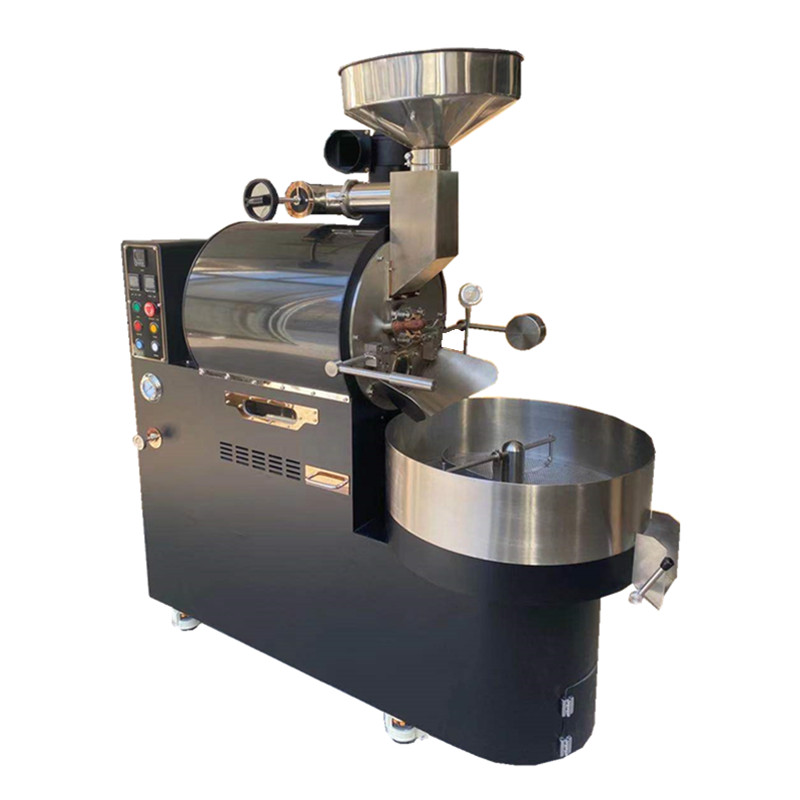
Common Coffee Roaster Issues and Troubleshooting Tips
Maintaining a coffee roaster requires attention to detail, as even minor issues can affect roast quality and machine longevity. Below are practical solutions to common problems roasters encounter, organized by category for clarity.
Heating System Failures: Restoring Consistent Temperature Control
Symptoms: The roaster fails to reach target temperatures, heats unevenly, or shows error codes related to thermal regulation.
Root Causes:
- Faulty heating elements (e.g., burnt-out coils or damaged infrared bulbs).
- Malfunctioning thermocouples or temperature sensors providing inaccurate readings.
- Power supply issues, such as voltage fluctuations or tripped circuit breakers.
Solutions:
- Test Heating Components: Use a multimeter to check continuity in heating elements. Replace if resistance values fall outside the manufacturer’s specifications.
- Calibrate Sensors: Verify thermocouple placement and clean accumulated residue that may insulate sensors. Recalibrate using the roaster’s control panel if adjustments are possible.
- Stabilize Power Input: Install a voltage regulator to protect against surges. Ensure the roaster is plugged into a dedicated circuit to avoid overload.
Example: A roaster struggling to maintain 400°F (204°C) may have a thermocouple coated in chaff, delaying heat detection. Cleaning the sensor with a soft brush often restores accuracy.
Airflow and Ventilation Problems: Ensuring Proper Roast Dynamics
Symptoms: Uneven roasts, prolonged roast times, or excessive smoke during operation.
Root Causes:
- Clogged chaff collectors or exhaust ducts restricting airflow.
- Damaged fans or motors reducing ventilation efficiency.
- Poor drum sealing allowing air leaks that disrupt heat distribution.
Solutions:
- Clean Air Pathways: After each roast, empty the chaff tray and vacuum ducts to remove blockages. Use a flexible brush to dislodge stubborn buildup.
- Inspect Fan Components: Check fan blades for cracks and lubricate motors as recommended. Replace worn-out parts to maintain optimal airflow.
- Seal Leaks: Examine drum gaskets for wear and replace them if they no longer create a tight seal. Adjust door hinges to ensure proper closure.
Example: A roaster producing “baked” flavors (flat, dull notes) might suffer from restricted exhaust flow. Deep-cleaning ducts and replacing a clogged vent filter can resolve this.
Mechanical and Operational Glitches: Maintaining Smooth Functionality
Symptoms: Unusual noises, error codes, or interruptions during roasting cycles.
Root Causes:
- Worn drive belts or gears causing vibrations or inconsistent drum rotation.
- Software bugs or outdated firmware triggering false alarms.
- Overloaded control panels due to excessive simultaneous commands.
Solutions:
- Lubricate Moving Parts: Apply food-grade grease to bearings and shafts to reduce friction. Replace belts that show signs of stretching or fraying.
- Update Software: Check for firmware updates via the manufacturer’s portal. Reset the system to clear temporary glitches affecting performance.
- Simplify Operations: Avoid rapid button presses or adjustments mid-roast. Program profiles in advance to minimize manual input during critical phases.
Example: A roaster emitting grinding sounds may have a misaligned drum. Adjusting the drum’s position or tightening mounting bolts can eliminate noise and prevent uneven roasting.