

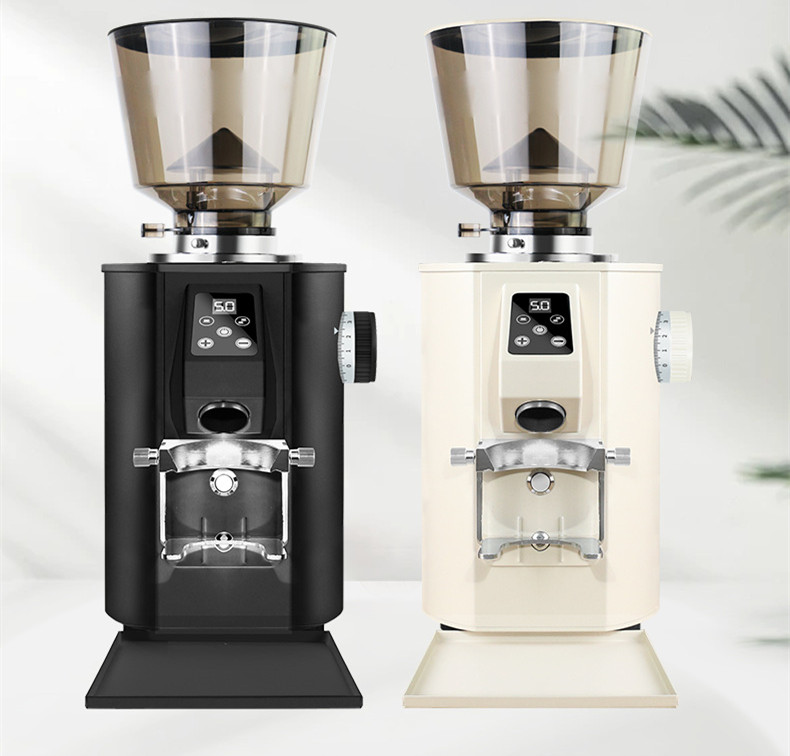
Calculating Optimal Coffee Bean Input for Roasters of Different Capacities
Precision in input quantity ensures even heat distribution, consistent roast profiles, and optimal flavor development. Understanding how machine capacity, bean characteristics, and thermal dynamics interact is critical for achieving repeatable results.
Capacity-Based Input Guidelines
General Capacity Utilization
Most roasters achieve optimal performance when loaded to 50–70% of their stated maximum capacity. For example, a 1kg roaster should ideally process 500–700g per batch. Operating below 50% risks uneven heat penetration, while exceeding 70% may lead to thermal overload and inconsistent development.
Small-Batch Roasters (Under 500g)
Machines designed for small batches (e.g., sample roasters) require stricter adherence to capacity limits. Even a 10% overload can disrupt airflow and conduction, causing scorched beans. For these roasters, maintain input quantities within ±10% of the manufacturer’s recommended range.
Medium-Capacity Roasters (500g–2kg)
These machines balance flexibility and consistency. A 1kg roaster handling 600–800g per batch allows sufficient airflow while maintaining thermal momentum. Monitor drum temperature stability—if it fluctuates beyond ±3°C during roasting, adjust input quantities downward.
Factors Influencing Input Quantity
Bean Density and Moisture Content
High-density beans (e.g., Ethiopian heirlooms) require 10–15% less input volume than low-density beans (e.g., some Indonesian varieties) to achieve similar thermal absorption. Moisture content also plays a role: beans with over 12% moisture need reduced input quantities to prevent steaming inside the drum.
Machine Design and Heat Transfer
Drum material affects heat retention. Cast-iron drums tolerate higher input quantities (up to 70% capacity) due to their thermal mass, while thinner steel drums perform best at 50–60% capacity. Roasters with dual-wall insulation can handle slightly larger batches without sacrificing consistency.
Roast Profile Goals
Light roasts demand lower input quantities (50–60% capacity) to prolong development time, while dark roasts benefit from higher inputs (65–70%) to accelerate thermal penetration. Adjust quantities based on desired flavor outcomes—for example, reducing input by 10% for a fruity light roast to emphasize acidity.
Adjusting Input for Thermal Consistency
Preheat Temperature Compensation
Cold environments (below 15°C) require reducing input quantities by 10–15% to prevent thermal shock. Conversely, in warm climates (above 25°C), increase inputs by 5–10% to maintain drum temperature stability.
Airflow and Drum Speed Interaction
Higher input quantities necessitate increased airflow (by 15–20%) to prevent chaff buildup and ensure even heat distribution. If drum speed exceeds 60 RPM, reduce input quantities by 5–10% to avoid bean damage from excessive agitation.
Multi-Batch Sequencing
For back-to-back roasting, decrease input quantities by 20% after the first batch to account for residual heat. Monitor exhaust temperatures—if they rise above 220°C between batches, further reduce inputs to prevent thermal runaway.
By aligning input quantities with machine capacity, bean characteristics, and environmental conditions, roasters can eliminate variables that compromise roast quality. Consistent input protocols ensure each batch develops flavors as intended, batch after batch.