
The Advantages of Fully Manual Coffee Roasting Machines for Coffee Enthusiasts and Artisans
Complete Control Over Every Stage of the Roasting Process
Fully manual coffee roasting machines place absolute authority in the hands of the operator, allowing for unparalleled precision at each phase of roasting. Unlike automated or semi-automated systems that rely on pre-programmed settings, manual machines require the roaster to actively monitor and adjust critical variables like heat intensity, airflow, and drum rotation speed. For instance, during the initial drying phase, the roaster can manually increase or decrease the flame to ensure beans are heated evenly without burning, a level of nuance that automated systems may struggle to replicate. This hands-on approach extends to the development phase, where subtle changes in temperature or airflow can dramatically alter the flavor profile, enabling roasters to highlight specific notes—such as citrus or chocolate—in the final cup.
The ability to respond instantly to visual and auditory cues is another key benefit. Manual roasters can observe bean color changes in real time, adjusting heat to prevent over-roasting, or listen for the distinct “first crack” and “second crack” sounds to determine the optimal moment to end the roast. This sensory engagement allows for a more intuitive understanding of how beans behave under different conditions, fostering a deeper connection between the roaster and the craft. For specialty coffee producers, this level of control is essential for achieving consistency across batches, even when working with beans of varying moisture content or density.
Enhanced Artisanal Appeal and Customization
Fully manual roasting machines are ideal for those who view coffee roasting as an art form rather than a mechanical process. The absence of automation encourages experimentation, enabling roasters to develop unique profiles that stand out in a crowded market. For example, a roaster might choose to extend the Maillard reaction phase by lowering the heat slightly, resulting in a sweeter, more complex flavor, or introduce a brief cooling period mid-roast to “reset” the beans and unlock hidden notes. This flexibility also allows for creative blending techniques, such as combining beans at different roast levels to create layered, multi-dimensional flavors that automated systems cannot easily replicate.
The tactile nature of manual roasting adds to its artisanal charm. Adjusting knobs, feeling the heat radiate from the drum, and observing the beans transform from green to brown creates a multisensory experience that connects the roaster to the tradition of coffee craftsmanship. This hands-on approach is particularly appealing to small-batch roasters and specialty shops that prioritize quality and uniqueness over volume. By offering customers beans roasted with manual precision, these businesses can differentiate themselves and build a loyal following among coffee connoisseurs who appreciate the care and skill involved in each batch.
Cost-Effectiveness and Simplified Maintenance for Small-Scale Operations
For small-scale roasters or home enthusiasts, fully manual machines offer a cost-effective alternative to their automated counterparts. Without the need for complex electronics or software, manual roasters are generally more affordable to purchase and operate. They also consume less energy, as they rely on basic heating elements and mechanical components rather than high-powered motors or digital controls. This makes them an attractive option for startups or hobbyists looking to enter the coffee roasting space without a significant upfront investment.
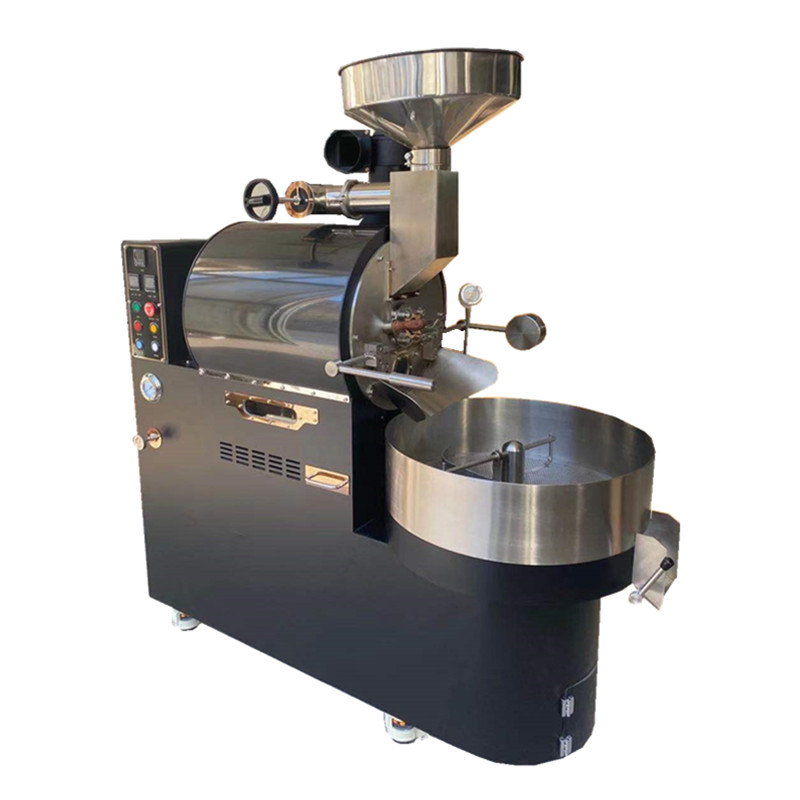
Maintenance is another area where manual machines shine. Their straightforward design—often consisting of a drum, heating source, and basic airflow system—means fewer parts are prone to wear or failure. Cleaning is typically as simple as removing the drum and wiping down surfaces, while repairs can often be performed with basic tools and minimal technical knowledge. In contrast, automated systems may require specialized training or expensive replacement parts when something goes wrong. For small operations, this ease of upkeep translates to lower long-term costs and less downtime, ensuring a steady supply of freshly roasted coffee.
Educational Value and Skill Development for Aspiring Roasters
Operating a fully manual coffee roasting machine is an excellent way to learn the fundamentals of the craft. The process demands a deep understanding of how heat, airflow, and time interact to transform green beans into aromatic, flavorful coffee. By manually adjusting these variables, aspiring roasters gain firsthand experience in recognizing the signs of proper roasting, such as bean color, aroma, and cracking sounds. This knowledge is invaluable for those looking to pursue a career in coffee, as it provides a solid foundation that automated systems cannot offer.
The educational aspect of manual roasting extends beyond technical skills. It fosters patience, attention to detail, and problem-solving abilities, as roasters must constantly adapt to variables like ambient temperature or bean moisture content. Over time, this hands-on practice helps roasters develop their own style and intuition, allowing them to create signature blends that reflect their personal preferences and expertise. For coffee schools or training programs, manual machines serve as essential tools for teaching the art and science of roasting in a way that automated systems simply cannot match.