

The Advantages of Eco-Friendly Coffee Roasting Machines
Energy Efficiency and Cost Savings
Modern eco-friendly coffee roasting machines prioritize energy conservation through advanced engineering. Many models incorporate heat recovery systems that capture and reuse waste heat generated during the roasting process. For instance, some designs use high-performance cyclone separators to minimize heat loss, ensuring that up to 90% of the thermal energy is retained. This not only reduces operational costs but also aligns with global sustainability goals by lowering reliance on fossil fuels.
Additionally, intelligent control systems optimize energy consumption by adjusting heating parameters in real time. These systems analyze factors like batch size, bean type, and desired roast profile to deliver precise heat application, eliminating unnecessary energy use. Over time, this efficiency translates to significant reductions in electricity or gas bills, making eco-friendly machines economically viable for businesses of all scales.
Reduced Emissions and Environmental Impact
Traditional coffee roasting generates harmful pollutants, including volatile organic compounds (VOCs), nitrogen oxides (NOx), and particulate matter. These emissions contribute to air pollution and pose health risks to workers and nearby communities. Eco-friendly machines address this challenge through integrated emission control technologies.
For example, some models combine electrostatic precipitation with activated carbon filtration to capture over 95% of particulates and odors. Others use UV-based oxidation to break down VOCs into harmless byproducts. These systems ensure compliance with stringent environmental regulations while minimizing the carbon footprint of coffee production. Furthermore, the use of low-emission combustion chambers and renewable energy sources, such as hydrogen or biogas, further reduces greenhouse gas emissions, supporting the transition to a circular economy.
Enhanced Product Quality and Consistency
Sustainability in coffee roasting extends beyond environmental benefits—it directly impacts the final product’s flavor and aroma. Eco-friendly machines leverage precise temperature and airflow control to create uniform roasting conditions. This consistency is critical for achieving desired roast levels, whether light, medium, or dark, and preserving the unique characteristics of different coffee origins.
Advanced sensors and automation tools monitor key variables like bean temperature, drum speed, and gas pressure, adjusting parameters dynamically to maintain optimal conditions. This level of precision reduces the risk of under- or over-roasting, ensuring that each batch meets quality standards. Additionally, some machines feature modular designs that allow for easy customization, enabling roasters to experiment with specialty profiles without compromising efficiency.
Long-Term Durability and Resource Efficiency
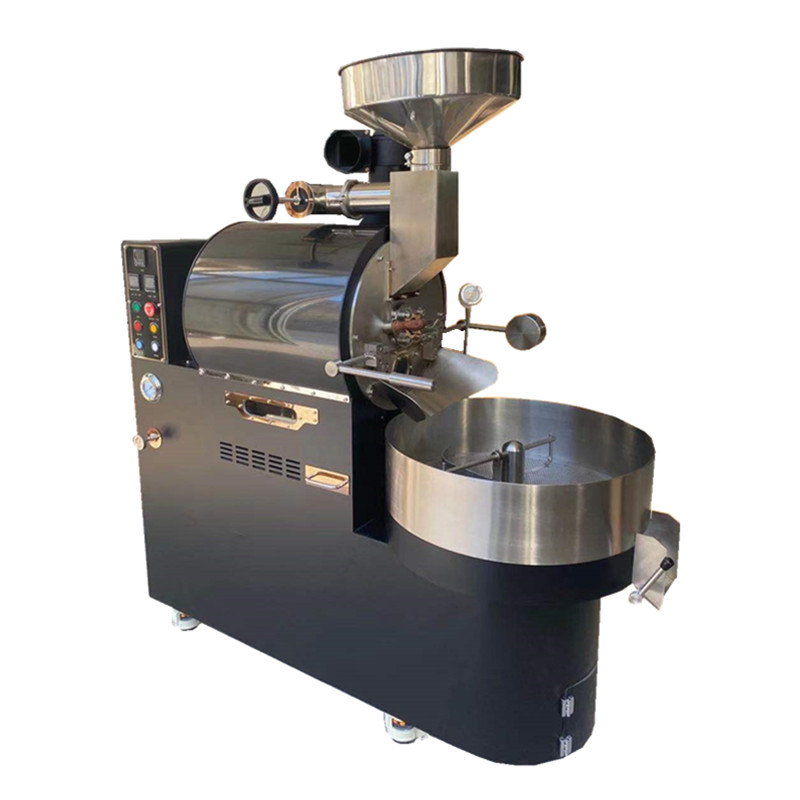
Eco-friendly coffee roasting machines are built to last, with materials and components selected for their durability and recyclability. Stainless steel construction, corrosion-resistant coatings, and modular designs extend the lifespan of these machines, reducing the need for frequent replacements and minimizing waste.
Moreover, many manufacturers prioritize resource efficiency during production. For example, some use recycled metals or biodegradable plastics in their components, while others adopt lean manufacturing processes to minimize material usage. These practices not only lower the environmental impact of machine production but also align with consumer demand for ethically sourced products. By investing in durable, resource-efficient equipment, coffee businesses can reduce their long-term operational costs and enhance their brand reputation as sustainability leaders.
Adaptability to Evolving Industry Standards
The coffee industry is undergoing rapid transformation, driven by shifting consumer preferences and stricter environmental regulations. Eco-friendly roasting machines are designed to evolve with these changes, offering scalability and flexibility to meet future demands.
For instance, some models support multi-fuel compatibility, allowing operators to switch between natural gas, propane, or renewable energy sources as availability or pricing fluctuates. Others feature software updates that enable remote monitoring and data analytics, helping roasters optimize processes and reduce waste. This adaptability ensures that businesses can stay competitive in a dynamic market while maintaining their commitment to sustainability.
By embracing eco-friendly coffee roasting machines, the industry can achieve a harmonious balance between profitability and planetary health. These innovations not only protect the environment but also empower roasters to deliver superior-quality coffee while future-proofing their operations.