

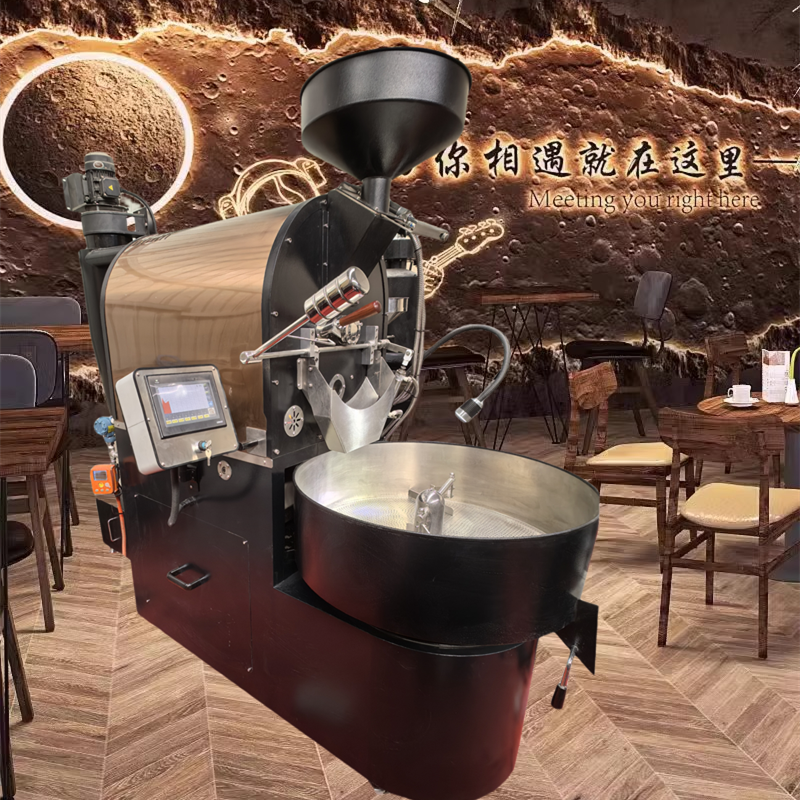
Building Trust with Safe and Reliable Coffee Roasting Machines
The Critical Role of Safety Features in Coffee Roasting Equipment
Safety is non-negotiable when it comes to coffee roasting machines, which operate at high temperatures and involve moving parts. A reliable machine prioritizes user protection through thoughtful design elements that minimize risks. For instance, automatic shut-off mechanisms are essential for preventing overheating, a common hazard in roasting. These systems detect when internal temperatures exceed safe limits and cut power to the heating elements, reducing the risk of fires or equipment damage. Similarly, thermal insulation around the roasting drum ensures that external surfaces remain cool to the touch, protecting users from accidental burns during operation or maintenance.
Another key safety feature is the inclusion of emergency stop buttons, which allow operators to halt the machine instantly in case of malfunctions or unexpected situations. These buttons should be easily accessible and clearly labeled, enabling quick action without confusion. Additionally, robust construction materials, such as heat-resistant metals and durable electrical components, enhance the machine’s ability to withstand daily wear and tear without compromising safety. Manufacturers who invest in these features demonstrate a commitment to protecting users, which is especially important in commercial settings where machines run for extended periods.
Ensuring Reliability Through Quality Components and Design
Reliability in coffee roasting machines hinges on the use of high-quality components and precision engineering. A machine built with inferior parts is more likely to break down or produce inconsistent results, leading to downtime and wasted batches. For example, the heating system—whether gas, electric, or infrared—must distribute heat evenly across the roasting drum to avoid unevenly roasted beans. This requires durable heating elements and precise temperature controls that maintain stability throughout the roasting process. Similarly, the drum’s rotation mechanism should be smooth and consistent to prevent jams or uneven tumbling, which can affect flavor development.
Ventilation systems also play a crucial role in reliability. Proper airflow prevents the buildup of smoke and chaff, which can clog filters or trigger safety sensors. A well-designed ventilation system includes adjustable fans and easy-to-clean ducts, ensuring optimal performance over time. Additionally, the machine’s control panel should be intuitive and responsive, allowing operators to adjust settings without delays or errors. User-friendly interfaces reduce the likelihood of operator mistakes, which can lead to safety issues or poor roast quality. By focusing on these design aspects, manufacturers create machines that operate smoothly day after day, even under heavy use.
Maintenance Practices to Sustain Safety and Performance
Regular maintenance is vital for keeping coffee roasting machines safe and reliable. Over time, components like heating elements, bearings, and seals can wear down, increasing the risk of malfunctions. Establishing a routine maintenance schedule helps identify potential issues before they escalate. For example, cleaning the roasting drum and exhaust system removes residual oils and chaff, preventing blockages that could cause overheating. Lubricating moving parts, such as the drum’s rotation mechanism, reduces friction and extends their lifespan, ensuring consistent performance.
Electrical systems also require periodic checks to ensure safety. Loose connections or frayed wires can create fire hazards, so inspecting wiring and replacing damaged components is essential. Additionally, calibrating temperature sensors and control systems guarantees accurate readings, preventing accidental over-roasting or under-roasting. Manufacturers often provide maintenance guidelines tailored to their machines, which operators should follow closely. By prioritizing upkeep, businesses can avoid costly repairs, minimize downtime, and maintain a safe working environment for their staff.
The Impact of Safety and Reliability on Customer Trust and Business Success
Safety and reliability are not just technical requirements—they directly influence customer trust and business reputation. In the competitive coffee industry, a reputation for producing consistent, high-quality roasts is invaluable. Machines that frequently break down or produce uneven batches can damage relationships with clients, leading to lost sales and negative reviews. Conversely, a reliable machine that operates safely day after day builds credibility, encouraging repeat business and referrals.
For commercial roasters, safety certifications and adherence to industry standards further enhance trust. Certifications like CE (European Conformity) or UL (Underwriters Laboratories) signal that a machine has undergone rigorous testing and meets global safety benchmarks. Displaying these credentials prominently can reassure customers, especially in markets where safety regulations are strict. Similarly, offering training programs for operators on safe machine usage demonstrates a commitment to professionalism and customer success. By investing in safety and reliability, businesses position themselves as trustworthy partners in the coffee supply chain, fostering long-term growth and loyalty.