
Selecting the Right Coffee Roasting Machine for Small Cafés: Key Factors to Prioritize
Balancing Batch Size and Operational Flexibility
Small cafés often face fluctuating demand, requiring a roasting machine that adapts to varying batch sizes without sacrificing quality. Look for models that handle both small (300–500g) and medium batches (1–1.5kg), allowing you to roast fresh beans for daily use or prepare larger quantities for busy weekends. Flexibility in batch size reduces waste—for example, roasting smaller batches of seasonal single-origin beans ensures freshness, while larger batches of house blends meet peak-hour demand. Machines with adjustable drum speeds or heat distribution settings further enhance control, enabling precise roasting for different bean types and roast levels.
Precision in Temperature and Airflow Control
Achieving consistent roast profiles is critical for small cafés aiming to build a reputation for quality. Opt for machines with digital temperature displays and manual or automated airflow adjustments. These features allow baristas to fine-tune heat application and air circulation, ensuring even roasting across batches. For instance, a machine with a ±2°C temperature accuracy range helps replicate the same flavor profile for a signature espresso blend, fostering customer loyalty. Some models include pre-programmed settings for common roast styles (light, medium, dark), simplifying the process for staff while maintaining consistency.
Compact Design and Space Optimization
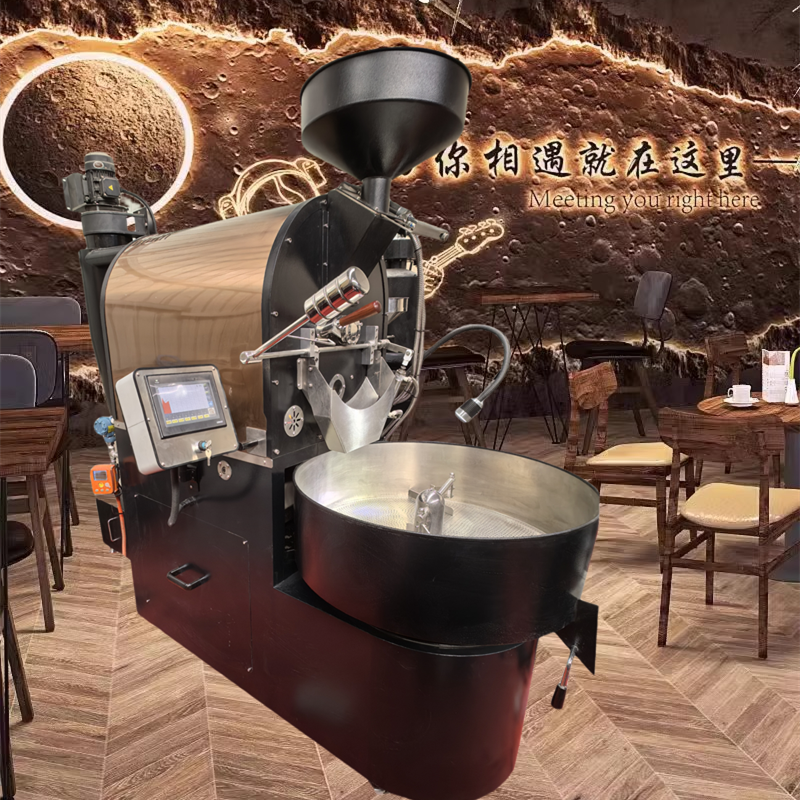
Space constraints are a common challenge in small cafés, making compact roasting machines essential. Prioritize models with a vertical layout or slim profile that fit neatly into corners or against walls. Detachable components, such as roasting drums or chaff collectors, can be stored separately when not in use, freeing up counter space. For cafés with limited ventilation, machines with built-in smoke filtration systems or low-emission designs minimize the need for external hoods, reducing installation costs. Additionally, lightweight construction ensures easy mobility, allowing you to reposition the machine during cleaning or renovations without strain.
Ease of Use and Staff Training Efficiency
Small café teams often wear multiple hats, so a user-friendly roasting machine is invaluable. Look for intuitive interfaces with clear controls, such as analog dials or simple digital screens, to streamline operation. Machines with visual indicators (e.g., color-coded lights for roast stages) or audible alerts (e.g., beeps when roasting is complete) reduce the learning curve for new staff. Some models offer step-by-step guides or tutorial modes, helping team members master roasting basics quickly. For example, a machine with preset profiles for popular roast styles lets staff start roasting with minimal training, ensuring consistent output even during staff shortages.
Durability and Low Maintenance for Daily Use
Frequent roasting in a small café demands a machine built to last. Choose models with robust materials, such as stainless steel chambers or reinforced heating elements, to resist wear and tear. Easy-access components, like removable drums or self-cleaning chaff trays, simplify maintenance, minimizing downtime. For instance, a machine with a quick-release drum design allows staff to clean residue in minutes, preventing flavor contamination between batches. Regular maintenance reminders or diagnostic tools (e.g., error codes for common issues) further reduce repair costs and extend the machine’s lifespan, ensuring reliable performance over time.
Energy Efficiency to Control Long-Term Costs
Small cafés operate on tight margins, so energy-efficient roasting machines are a smart investment. Look for models with insulation to retain heat during roasting and cooling cycles, reducing power consumption. Some machines adjust energy usage based on batch size, optimizing efficiency without compromising results. For example, a machine that consumes 15% less energy per roast compared to standard models can lower monthly utility bills significantly. Additionally, machines with rapid heating elements or short preheat times cut down on idle energy use, further trimming operational expenses.
Ventilation and Safety for a Safe Workspace
Roasting generates smoke and chaff, so proper ventilation is crucial in small café settings. Prioritize machines with integrated smoke filtration systems or low-smoke designs to maintain air quality without extensive ductwork. Safety features like automatic shutoff timers, overheating protection, and sealed roasting chambers reduce the risk of accidents, such as chaff ignition or burns. For cafés with open kitchens, a machine with a quiet operation mode ensures a pleasant environment for customers and staff alike. These features not only protect your team but also comply with local health and safety regulations, avoiding potential fines.